Commercial Waste in Hainault for straightforward business collections
Commercial waste in Hainault needs a service that is clear about what can be taken, how it is separated, and where it is sent next. Our focus is on helping local businesses arrange regular or one-off removal for the kinds of waste that build up through day-to-day trading: mixed office rubbish, packaging, old fixtures, bulky items and other non-hazardous commercial materials. The aim is simple enough: keep your premises workable while dealing with waste in a way that is organised and practical.
We handle collections for premises that generate waste as part of normal operations, including offices, shops, workshops and shared buildings. The service can suit a planned clearance after a refit, a tidy-out of surplus stock, or a routine removal of items that no longer belong on site. Commercial waste is rarely one single material stream, so the collection needs to match the load rather than force everything into one format. That is where a well-managed arrangement helps.
To get started, you can send the details of what needs removing and the access conditions at the property. A simple list is often enough to identify whether the waste is mixed, bulky, recyclable or restricted, and whether a single visit will be sufficient. If you are ready to compare options, request a quotation with the items and location details prepared in advance.
Commercial waste collections arranged around the type of load
Different commercial premises create different waste streams, so the collection method should reflect the actual load rather than a generic assumption. A small office clearance may involve paper, archive boxes, chairs and obsolete equipment, while a retail store might need help with shelving, display units, packaging and stock-related waste. The most efficient approach is the one that separates these materials sensibly before removal begins. That keeps the job practical and reduces unnecessary handling.
When a collection is planned properly, the work can focus on the items that matter most. Mixed waste usually needs sorting into reusable, recyclable and residual material. Bulky items often need careful dismantling or lifting. Some loads contain materials that should not be mixed with general rubbish at all, so they need a separate route. We can discuss what is included and help you decide how best to present the waste for collection without overcomplicating the process.
Useful commercial waste categories commonly include:
- office clear-outs and workstation changes
- shop, storage and back-room decluttering
- bulky furniture and fixtures
- packaging, cartons and general business rubbish
- selective recycling from mixed premises waste
Office waste removal for desks, archives and equipment
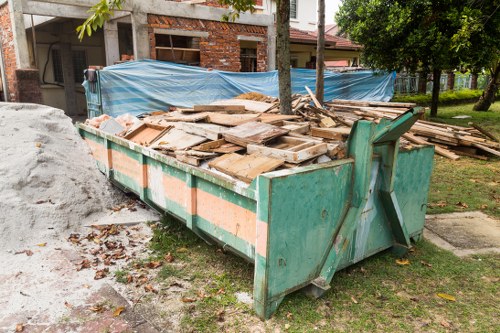
Office waste removal is often about more than one type of item. Desks, filing cabinets, chairs, screens, printers and storage units can all appear in the same clearance, and each may need a different handling approach. Our service is designed for these mixed office loads, with attention to access, movement through shared areas and the need to keep disruption low while the work is carried out. Office clearance can be a practical option when a floor needs to be cleared in an orderly way.
Documents, archived files and confidential material should be separated from general waste before collection, especially where information control matters. If shredding or secure disposal is required, that should be identified in advance so the right route can be used. Equipment removal also benefits from early planning because IT items, peripherals and older electronics often need more careful sorting than ordinary refuse. In many cases, the most useful step is simply to identify what should go, what should stay and whether any items need special treatment.
Preparation helps the collection run smoothly when the items are already grouped by type or room. A few photographs or a written inventory can make it easier to judge volume, access and any pieces that need dismantling. If there are lifts, shared entrances, loading restrictions or time windows at the premises, these details are worth noting as well. Keep the explanation brief but clear, so the collection can be matched to the site conditions rather than guessed.
Bulky furniture and fit-out waste from commercial premises
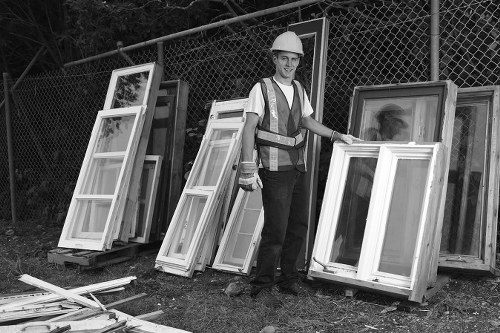
Bulky furniture is one of the most common reasons businesses ask for waste removal. Chairs, tables, shelving, counters, cabinets and reception items can all take up valuable room even when they are no longer useful. A planned clearance lets these pieces be removed together instead of being pushed from one corner to another. Where dismantling is needed, the work can be organised around safe handling and the available access at the property.
Commercial fit-outs and refits often produce more than furniture alone. Fixtures, partition pieces, signage, display fittings and packaging may all need clearing in the same visit. Because these items vary in size and material, it helps to identify them clearly before the job starts. That allows the collection to be arranged around the actual load rather than around an assumed category. Furniture clearance can be useful when the main need is to remove larger items efficiently.
Where reuse or recycling is possible, it is sensible to separate items that are still in workable condition from those that are genuinely waste. Not every item will be suitable for the same route, and some pieces may be too worn or damaged for onward use. The practical aim is to remove what is no longer required while treating each item in a sensible way according to its condition and material.
Waste from shops, storage rooms and customer-facing spaces
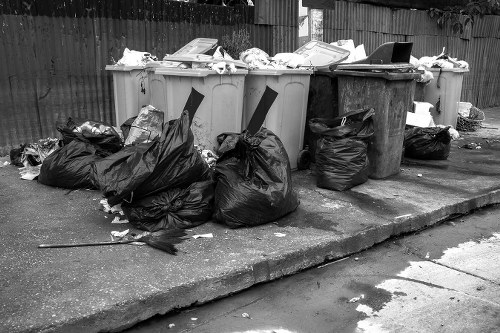
Retail and customer-facing premises can accumulate waste in layers. There may be stock-related packaging, damaged goods, old displays, worn storage units and general rubbish from everyday trade. A collection that understands these mixed materials is often better than a one-size-fits-all pickup because it can take account of the different sizes and weights involved. This matters where items are spread across front-of-house and back-of-house spaces.
Storage rooms and stock areas often need special attention because they are filled with items that are easy to forget until they become obstructive. Seasonal stock, obsolete stands, broken promotional material and redundant packaging can build up over time. Clearing these areas can involve a straightforward load-out or a more selective removal where only certain materials are taken. If you need a larger mixed clearance, waste removal offers a broader route for general commercial rubbish alongside other items.
Some premises prefer collections to be arranged in stages so trading can continue without unnecessary interruption. That can mean clearing one area first, then moving to another once access is free. The main benefit is order: items are handled once, the route through the building stays manageable, and the collection is less likely to interfere with customers or staff. Where that matters, it is worth describing the layout before the booking is confirmed.
Business waste removal for ongoing premises and one-off jobs
Business waste removal covers the regular stream of items that do not belong in day-to-day operations, as well as occasional clear-outs after a change in layout, occupancy or trading activity. It is useful for premises that generate mixed general rubbish and do not want waste left to pile up until it becomes difficult to manage. Depending on the site, the service may be used for a single visit or for repeat collections arranged around the rhythm of the business.
For some organisations, the priority is simple housekeeping: remove the waste, keep routes clear and prevent storage areas from becoming full of items waiting for action. For others, the need is tied to an event such as a move, a refit or a stock reset. Business waste removal can support that wider housekeeping by handling mixed commercial rubbish in a way that is straightforward to schedule and easy to understand.
To keep the arrangement practical, it is helpful to think about the contents of the waste stream before booking. General rubbish, cardboard, broken office items, outdated stock and packaging may all appear together, but they may not all need the same handling. The clearer the description, the easier it is to plan the collection and avoid unnecessary delays when the crew arrives.
Bulky clearances for garages, lofts and back-of-house storage
Some business waste builds up in spaces that are not public-facing at all. Garages, lofts, basements and back rooms often become holding areas for broken fixtures, archived materials, spare furniture and old packaging. These spaces are easy to overlook until they begin to restrict access. Clearing them can restore useable room for storage, tools or stock without changing the whole layout of the premises.
Bulky clearances work best when the items are identified in advance by type and approximate size. That makes it easier to plan lifting, access and any dismantling that may be needed. For premises with several storage zones, the removal may be best handled as a single organised job rather than several separate trips. garage clearance is a useful reference point for these tucked-away spaces where mixed items tend to gather.
Access details matter when the waste is in a cramped area or an upper-level room. Low loft openings, narrow stairs and shared corridors can all affect how easily items can be taken out. If there are weight restrictions, parking considerations or a need to avoid busy periods, these should be mentioned when you ask for a quotation. Clear information helps the collection be planned around the property instead of forcing a rushed approach on the day.
About Hainault

Hainault is an area in east London that sits within the London Borough of Redbridge and is closely associated with the wider suburban edge of the capital. Its name is linked historically to Hainault Forest, which once covered a large tract of woodland extending across Essex and the London fringe before centuries of enclosure and development changed the landscape. Today, the area is known for its mix of housing, local shops and green space, with the nearby forest heritage still shaping how many people think about the district. Hainault station on the Central line gives the area a clear transport identity, connecting it to the wider Underground network and making it part of the practical daily geography of east London life. The built environment reflects different phases of twentieth-century suburban growth, with housing estates, roads and local facilities layered over older rural and forest references. Open space remains important too, especially around Hainault Forest Country Park, which preserves a sense of the woodland past and offers paths, trees and wildlife habitat in a landscape now surrounded by residential streets. The area is also linked with neighbouring parts of Chigwell and Barkingside, yet it retains a distinct identity of its own through its station, local amenities and the surviving names of roads, parks and estates. In that sense, Hainault combines ordinary suburban use with a history that is still visible in its place names and the green character of some nearby land.
Hazardous and specialist items need separate handling
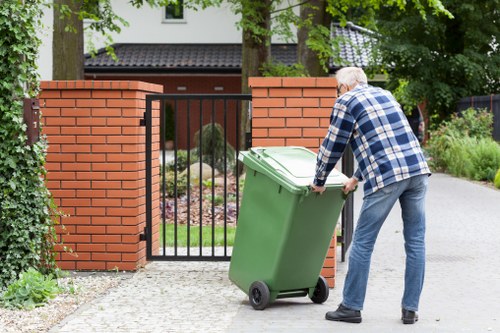
Not every item from a commercial premises should be treated as general waste. Some materials need a separate route because of their chemical content, contamination risk or handling requirements. That can include certain cleaning products, construction-related residues, batteries, fluorescent tubes or other specialist items that should not be mixed into ordinary collections. Identifying these early helps the rest of the load stay organised and reduces the chance of unsuitable mixing.
Where specialist disposal is needed, the important point is not to treat the whole job as exceptional if only part of it is. The bulk of the waste may still be ordinary commercial material, with just one category requiring extra care. In that case, it is useful to describe the separate item clearly so the collection can be planned accordingly. Hazardous waste disposal is relevant only where a restricted material genuinely forms part of the load.
The practical approach is to isolate restricted items, avoid mixing them with general rubbish and note any labels or original containers if they are still present. That information can guide the collection and help determine what can be taken in the same visit and what must be managed through a separate route. If you are unsure whether something is restricted, describe it plainly rather than assuming it fits a normal collection.
Pricing factors and the details that shape a quotation
Commercial waste pricing is usually influenced by a few practical factors: the amount of material, the type of items, how easy the property is to access and whether any pieces need extra handling or separation. A small, tidy load is very different from a mixed clearance spread across multiple rooms. Because of that, a sensible quotation depends on the actual job rather than a broad guess. Clear information often helps the process more than lengthy explanation.
It also helps to think about the collection in terms of what needs to happen on site. Are items already gathered in one place, or do they need to be lifted from several rooms? Is there a lift, a loading bay or a narrow stair route? Are there special items mixed in with general waste? These details do not need to become a full survey, but they do make it easier to set out the work properly. If you want a starting point, pricing and quotes is the best place to look before sending your request.
Two simple steps usually make the enquiry clearer: first, separate what is going and what is staying; second, describe any awkward access or bulky items. That is enough to produce a more grounded quotation and to avoid vague back-and-forth later. If you are managing a deadline or a site handover, say so plainly without adding unnecessary detail. The aim is to match the waste removal to the situation, not to turn the request into a complicated form.
Recycling, reuse and the disposal route for collected waste
Once waste has been collected, it should be dealt with according to its material and condition. Some items may be suitable for recycling, while others are only fit for disposal because they are damaged, contaminated or no longer usable. The value of a good commercial waste service is that it recognises these differences instead of treating every object as the same. That makes the handling more orderly and more consistent with the material involved.
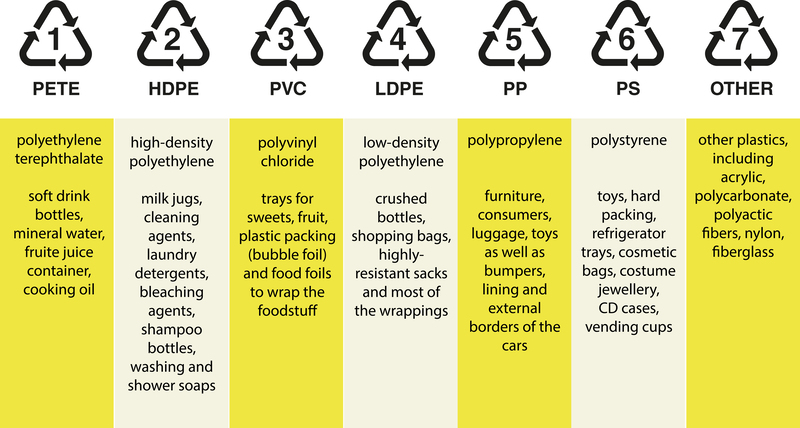
Businesses often want clarity about what happens to the main categories in a mixed load. Paper, cardboard, metal fittings, furniture and certain appliances may each follow a different route depending on their condition and composition. If environmental handling is a concern, it is sensible to ask how the waste is separated before disposal. recycling and sustainability gives a useful overview of that approach without assuming every item can be recycled.
Where items are still usable, reuse may be worth considering before disposal. That said, the condition has to be realistic: broken structures, damaged surfaces and heavily worn materials are not suitable for casual retention just because they are bulky. A clear description of the contents helps determine which items are salvageable, which should be recycled and which should be removed as residual waste. That judgement is more useful than treating all mixed waste as a single category.
Final checks before you request a quotation
Before you ask for a quotation, it helps to do a quick check of the waste itself. Note the main item types, the estimated amount and whether anything is unusually heavy, awkward or restricted. If the collection takes place in a shared building, include any access rules or time limits that apply. These are small details, but they make the difference between a loose estimate and a quotation that reflects the actual work more accurately.
If you are dealing with a planned office move, a refit or a clear-out of stored items, it is also sensible to decide whether you want everything removed in one visit or split into stages. Staged removal can suit sites that need to keep working while the waste is cleared. For a direct enquiry route, contact us when you are ready to outline the job and request the next step.
For businesses in Hainault, the practical goal is to keep waste under control without making the process more complicated than it needs to be. If you have a load ready for removal, send the details in one clear message and ask for a quotation. The more specific the description, the easier it is to arrange a collection that fits the premises and the material involved.