Commercial Waste Hainault - Health & Safety Policy
This Health and Safety policy sets out the commitments and practical controls adopted by Commercial Waste Hainault and associated teams providing commercial rubbish and waste services. It is written to ensure safe operations for employees, contractors, and members of the public who may be affected by our activities. The aim of this policy is to present clear responsibilities, risk controls, and continuous improvement measures for Hainault commercial waste and to support safe, reliable rubbish collection and waste management services.Our approach emphasises prevention and practical controls. We recognise that safe operations require routine planning, clear communication, and regular review. All staff and subcontractors engaged in commercial rubbish collection Hainault activities are expected to follow the requirements of this policy and to report hazards, near misses, or incidents promptly. Compliance and cooperation are essential to protecting health and reducing harm across every job.
Policy Scope and Application
This policy applies to every activity undertaken under the banner of commercial waste services in Hainault, including loading, transfer, container handling, vehicle operations, and depot management. It applies to full-time employees, temporary workers, contractors and visitors while engaged in waste management in Hainault operations. The document describes the standards used to manage risks associated with manual handling, vehicle movements, sharps and hazardous waste, and site-specific tasks.Responsibilities and Organisation
Responsibility for health and safety is shared. Senior management will provide leadership and resources; supervisors will ensure safe systems of work are followed; and employees must work safely and report unsafe conditions. The designated safety officer will maintain records, coordinate training, and lead incident investigations. All personnel should receive clear briefings before commencing work, and a concise site-specific risk assessment should be available for each contract.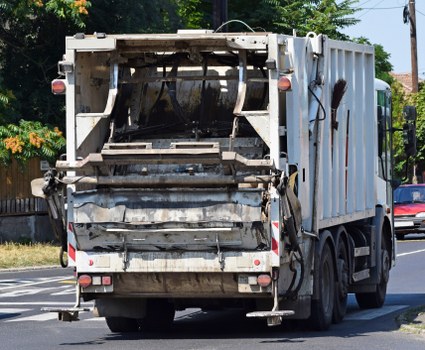 Risk assessments and method statements underpin every operation. A robust risk assessment identifies hazards, evaluates risk, and documents control measures. Controls include engineering measures, administrative procedures, and, where necessary, personal protective equipment (PPE). Examples include secure loading techniques, segregation of hazardous materials, routine vehicle checks, and clear pedestrian exclusion zones around collection vehicles to mitigate collision risks.
Safe use of equipment, including compactors, lifts, and mechanical handling aids, is mandatory. Staff must be trained and competent before operating specialist plant. Routine maintenance and pre-shift inspections are required to ensure equipment remains safe. The company will maintain an inventory of equipment, track inspection dates, and remove defective items from service until repaired or replaced.
Personal protective equipment is an essential line of defence in our waste services. Each role will have specified PPE requirements, which may include gloves, high-visibility clothing, protective footwear, eye protection, and suitable respiratory protection where airborne contaminants are a concern. PPE is a last line of control and must be used in conjunction with administrative and engineering measures. All PPE must be maintained, stored correctly, and replaced when worn or damaged.
 Training, Supervision and Competency
Training is a continuous process. Employees will receive induction training, job-specific instruction, and updates for procedural changes. Supervision will ensure safe working practices are followed, and refresher training will be scheduled for critical skills such as safe lifting, vehicle operation, and emergency procedures. Managers will maintain training records and assess competency before allowing unsupervised work.
Training, Supervision and Competency
Training is a continuous process. Employees will receive induction training, job-specific instruction, and updates for procedural changes. Supervision will ensure safe working practices are followed, and refresher training will be scheduled for critical skills such as safe lifting, vehicle operation, and emergency procedures. Managers will maintain training records and assess competency before allowing unsupervised work.
 Emergency preparedness and incident response are central to protecting people and property. Emergency arrangements include spill containment procedures, first-aid provision, and a clear incident reporting and investigation process. All incidents, near misses and hazards will be reported and reviewed, with corrective actions implemented to prevent recurrence. Regular emergency drills will test readiness and improve response times.
Transport and vehicle safety are priorities for any rubbish collection Hainault operation. Vehicle safety policies will cover driver competence, vehicle loading limits, safe reversing procedures, and daily pre-use checks. Drivers must adhere to rules for seat belts, safe speeds and secure loads. Vehicles used in commercial rubbish collection should be maintained according to agreed schedules and inspected by qualified technicians.
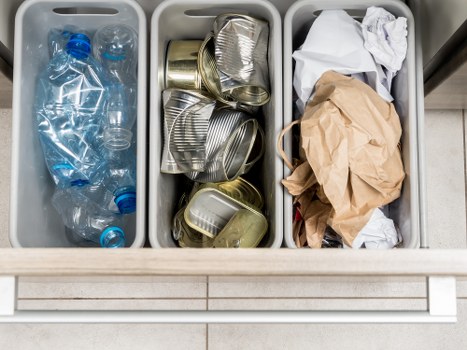
Waste segregation and handling reduce risks related to hazardous materials. Clear procedures for classifying and isolating hazardous items, including sharps, chemicals, and electronic waste, are in place. Receptacles and containers are specified by type and labelled clearly to prevent cross-contamination. When handling potentially hazardous loads, teams will follow enhanced control measures and use appropriate PPE.
Monitoring and continuous improvement are embedded in our safety culture. The company will monitor performance through audits, inspections, incident trend analysis and staff feedback. Key performance indicators will include incident frequency, training completion rates, and audit results. Findings will be used to update procedures, improve training content, and drive safer practices across all commercial waste operations in the service area.
Contractor management is essential where third parties perform waste-related services. Contractors will be assessed for health and safety competence before engagement, provided with relevant site information and monitored during their work. Contractual arrangements require contractors to meet the same safety standards expected of in-house teams, with clear communication channels for raising safety concerns.
Health surveillance and welfare support form part of a responsible occupational health approach. Where tasks involve repeated manual handling or exposure to contaminants, appropriate health checks will be offered. Welfare facilities, including washing facilities and rest areas, will be provided at depots to ensure staff can maintain hygiene and recover between shifts.
Commitment to continual improvement in waste services: management will review this policy annually, or sooner following significant incidents or changes to operations. The organisation will foster an open safety culture where all personnel feel empowered to speak up. By combining leadership, training, effective controls and ongoing review, Commercial Waste Hainault aims to provide safe and dependable rubbish and waste services across the service area.
