Commercial Waste Hainault: Recycling and Sustainability
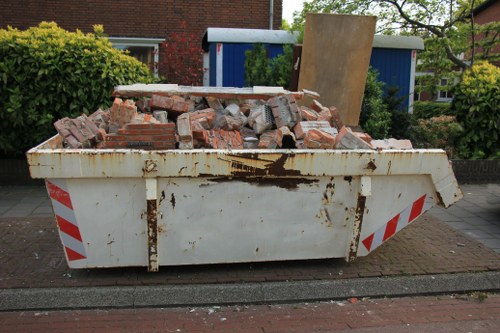 Commercial Waste Hainault services are evolving to meet the needs of a greener, low-carbon future. In this eco-friendly waste disposal area overview we outline targets, operational practices, and local partnerships that make the sustainable rubbish area in and around Hainault an active contributor to borough-level climate goals. Our approach to commercial rubbish collection emphasises reuse, high diversion rates from landfill, and practical support for businesses in the area.
Our Recycling Ambition
We have set a recycling percentage target of 65% by 2030 for all commercial waste collected within the Hainault catchment. This target aligns with ambitious municipal strategies and drives measurable reductions in residual waste. To reach this target we prioritise segregation at source, separation of organics, and improved sorting at transfer points. The boroughs approach to waste separation typically promotes kerbside sorting of glass, paper, plastics, food waste and garden waste — and our commercial schemes mirror those principles.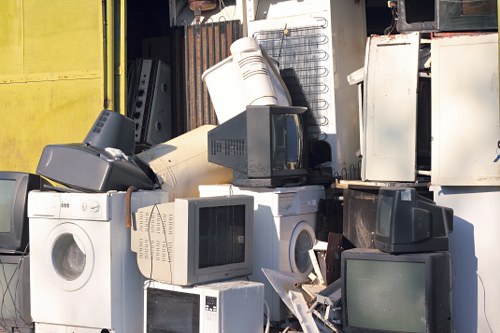 What does this mean for local businesses? It means clearer collection streams, training materials for on-site staff (not guides), and practical incentives to increase recycling tonnages. We support commercial clients in transitioning from mixed loads to separated streams, reducing contamination and improving recycling yields while keeping collections efficient and cost-effective.
Local Transfer Stations and Processing
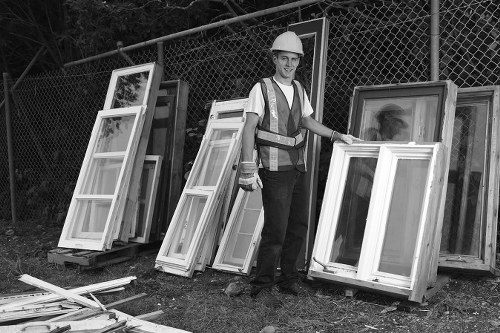
Commercial waste from Hainault is routed to nearby transfer stations and materials recovery facilities located across Redbridge and neighbouring boroughs. Local transfer stations provide a crucial middle step between collection and recycling facilities, enabling bulk consolidation and better sorting. These sites accept segregated streams such as dry recyclables, cardboard and paper, and organic waste for anaerobic digestion or composting.We collaborate with transfer stations across Redbridge, Barking & Dagenham, Havering and Waltham Forest to ensure that commercial loads from Hainault enter the correct processing streams. This reduces journey times, lowers emissions and increases the volume of material reclaimed for reuse. Our logistics planning factors in tipping windows and the capacities of these local hubs to avoid delays.
To complement transfer station access, we maintain strict documentation and manifesting so that each load can be traced through the waste hierarchy. Transparency in routing and processing helps demonstrate progress toward the stated recycling percentage target and supports corporate sustainability reporting.
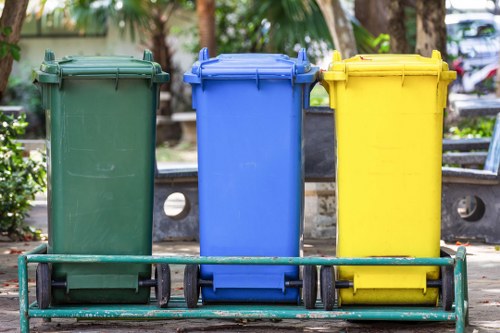 Partnerships with Charities and Reuse Groups — An essential part of our sustainable rubbish area strategy is maximising reuse. Where commercial waste includes salvageable items such as furniture, textiles or working electricals, we partner with local charities and social enterprises to divert reusable goods from the waste stream. These partnerships extend the life of products, support local social value initiatives and create positive community outcomes.
Working with donation and redistribution networks, our teams coordinate selective collections and drop-off runs for items suitable for reuse. This reduces processing costs at transfer stations and increases the social benefit of the commercial waste service. We also support specialty recyclers for bulky plastics and metals so that high-value streams remain in the circular economy.
Operationally, these charity partnerships are integrated into collection scheduling so that reusable items are separated at source and delivered to the relevant charities or reuse centres promptly. Businesses benefit from reduced disposal costs and the ability to report on tangible reuse outcomes.

Low-Carbon Fleet and Route Efficiency
Reducing transport emissions is central to our role in the Hainault sustainable waste disposal landscape. We are rolling out low-carbon vans and electric vehicles across commercial routes, complemented by hybrid models for longer runs. Vehicle choice is paired with telematics and route optimisation software to cut mileage and idle time.Our low-emission fleet strategy includes regular evaluation of vehicle payloads to ensure that each collection is as efficient as possible. By combining electric vans for local rounds with high-capacity, low-emission trucks for transfer runs, the carbon intensity of commercial waste collection is significantly reduced. These investments make a measurable contribution to borough-level carbon reduction commitments.
Benefits and Practical Measures
Key advantages of this sustainable commercial waste model include:- Lower landfill volumes through better separation and reuse.
- Reduced transport emissions from electric and hybrid collection vehicles.
- Improved recycling yields that support the 65% recycling percentage target.
- Stronger social value via partnerships with charities and reuse organisations.
- Transparent waste routing through local transfer stations and properly documented processing.
In summary, Commercial Waste - Hainault is transitioning from traditional disposal methods to a resilient, circular approach. By combining ambitious recycling targets, use of nearby transfer stations, charity partnerships, and a low-carbon van fleet, the commercial sector in Hainault can be part of an effective, eco-conscious waste ecosystem.
The move to a recognised sustainable rubbish area is not only environmentally responsible but also operationally sensible for businesses that want predictable costs and clear reporting on their waste outcomes. The boroughs approach to waste separation provides a practical template that commercial operators can adopt, increasing recycling rates and reducing contamination.
Next steps for businesses include reviewing on-site separation practices, engaging with reuse partnerships for salvageable items, and selecting collections serviced by low-emission vehicles. Together, these actions help make Hainault a model eco-friendly waste disposal area for the region.
