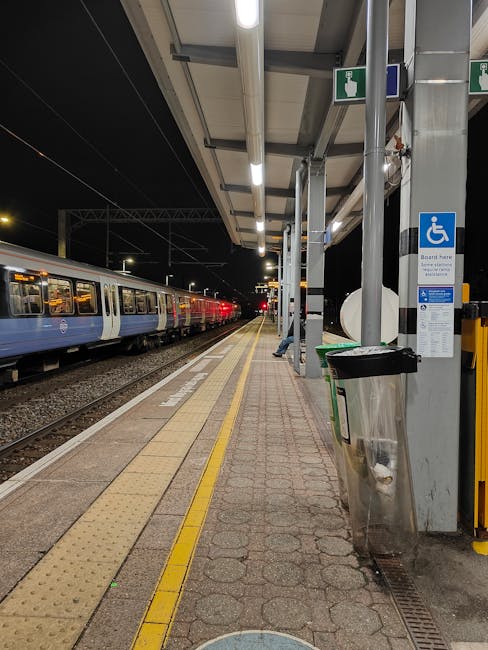
Hainault Station Waste Removal Access Tips for Flats

If you live in a flat near Hainault Station, waste removal can look simple on paper and then become awkward the second the bags are waiting by the door, the lift is busy, or the courtyard gate is locked. That is exactly why Hainault Station Waste Removal Access Tips for Flats matter. A good plan saves time, avoids damage, keeps neighbours happier, and makes the whole job feel much less like a juggling act. Truth be told, access is often the real challenge, not the rubbish itself.
This guide walks through the practical side of flat clearance and waste collection around station-side blocks, shared entrances, narrow stairwells, timed parking, and those slightly annoying "where do we actually put it?" moments. You will find step-by-step advice, a checklist, common mistakes, and the kind of real-world detail that helps you avoid last-minute stress.
- Why access planning matters in flats
- How the process usually works
- Key benefits and practical advantages
- Who needs this and when it makes sense
- Step-by-step guidance
- Expert tips for smoother removals
- Common mistakes to avoid
- Tools, resources and recommendations
- Law, compliance and best practice
- Options and comparison table
- Real-world example
- Practical checklist
- Conclusion
- Frequently asked questions
Why Hainault Station Waste Removal Access Tips for Flats Matters
Access is the hidden make-or-break factor in flat waste removal. You can have everything sorted inside your home, but if the route from the flat to the collection point is blocked, unclear, or too tight for the team to work safely, the job slows down fast. In a station area, that can mean busy pavements, shared driveways, resident-only parking, and more foot traffic than you expect on a normal weekday morning.
For flats specifically, there are a few recurring pressure points. Stairs can be narrow. Lifts can be small or slow. Door entry systems can require an intercom code. Refuse stores may be locked. Sometimes there is a perfectly good collection point, but nobody has told the waste team how to reach it. And then everyone is standing there, slightly awkward, trying to solve it in real time.
Good access tips matter because they:
- reduce carrying distance and manual handling strain
- help crews work safely without blocking corridors or exits
- cut delays caused by missing codes, parking problems, or unclear instructions
- lower the risk of scratched walls, damaged flooring, or upset neighbours
- make the service feel organised rather than chaotic
In our experience, the best flat waste jobs are not the ones with the least rubbish. They are the ones with the clearest access plan. That is the quiet difference.
How Hainault Station Waste Removal Access Tips for Flats Works
The basic idea is simple: before the waste is removed, you map out how the team will get to the waste, where they can park or stop, which entrance they should use, and whether any building rules apply. That may sound obvious, but a lot of hassle comes from assuming everyone sees the building the same way you do.
For a flat near Hainault Station, a sensible access plan usually covers five things:
- Entry - which door, gate, or lobby should be used.
- Route - stairs, lift, corridors, and any turns or narrow points.
- Parking or stopping point - where a vehicle can legally and safely wait.
- Collection spot - where items should be left if they are being brought out in advance.
- Restrictions - time windows, concierge rules, noise limits, or estate instructions.
If you are dealing with furniture, mattresses, appliances, or mixed flat clearance items, it helps to separate access planning from the actual disposal list. A settee is one problem. A settee plus a tight stair bend plus a locked communal front door is three problems, and that is where people get caught out.
For broader help with property clearances, it can also be useful to look at flat clearance support and general waste removal options so you can match the service to the property layout rather than forcing one approach onto everything.
Key Benefits and Practical Advantages
When access is planned properly, the benefits show up in small but very real ways. The job finishes sooner. The building feels calmer. People stop asking "whose stuff is this?" across the landing. And, yes, you are less likely to end up carrying a broken wardrobe halfway down three flights of stairs while someone holds the door open with one foot. Not ideal.
Here are the main practical advantages:
- Less disruption for neighbours - shorter handling time means less noise, less waiting, fewer shared-space clashes.
- Safer lifting and moving - good access reduces awkward angles and rushed carrying.
- Better protection for the building - clear routes help avoid scuffs on paintwork, carpets, and corners.
- Cleaner scheduling - when the route is known, the team can plan the right vehicle and crew size.
- Fewer surprises on the day - a small amount of prep avoids the big, slightly annoying surprises later.
There is also a trust benefit that gets overlooked. A removal job that feels controlled gives residents confidence that the building is being treated properly. That matters in flats, where shared spaces are part of daily life and nobody wants a careless rush through the lobby.
If you are comparing clearance routes, some people also prefer to combine waste removal with furniture disposal or a broader home clearance if they are clearing out more than just a few bags. It keeps the job simpler, which is often what people really want.
Who This Is For and When It Makes Sense
This advice is useful for anyone living in, managing, or helping with a flat near Hainault Station. That includes tenants, leaseholders, landlords, managing agents, and family members who are trying to help someone clear a property without turning the hallway into a storage area for three days.
It makes sense especially when:
- your building has a shared entrance, lift, or concierge desk
- you need rubbish removed from an upper floor flat
- you are clearing bulky items like wardrobes, sofas, or appliances
- parking is limited or controlled
- you are working around delivery bays, school runs, or commuter traffic
- the items need to be handled discreetly in a communal building
It is also useful if you are organising a move-out. Flats often create a strange pile-up of mixed items at the end: broken chairs, old bedding, flat-pack packaging, small electricals, and the sort of drawer contents people forget they even owned. Waste access planning keeps all that manageable.
For larger or more complex jobs, you may also want to compare related services such as furniture clearance, loft clearance, or even house clearance if the flat is part of a wider probate or family move.
Step-by-Step Guidance
A clean access plan does not have to be complicated. It just needs to be specific. Here is a practical way to handle it.
- Identify the exact flat and entrance.
Don't just say "the block near the station." Give flat number, building name, and which entrance is easiest. If there are two front doors and one is usually locked, mention that. - Measure the tight bits.
Check stair widths, lift size, corridor bends, and any low ceilings. You do not need engineering-grade measurements; even a rough sense of what fits helps a lot. - Confirm parking or stopping access.
If a vehicle cannot park right outside, say so early. Note whether it is a permit bay, shared forecourt, or a short stay loading spot. - Check building rules.
Some blocks have delivery hours, no-large-item windows, or restrictions on using certain lifts. Better to know before the van arrives, obviously. - Separate the items by type.
Keep general waste, furniture, appliances, and anything sensitive or hazardous apart. That helps the team load efficiently and avoid sorting in a hallway. - Clear a staging area.
If items are coming out of the flat in stages, place them where they won't block exits. A hallway is not a waiting room for old furniture. - Send photos if possible.
A few clear pictures of the stairwell, lobby, item size, and parking view can prevent a lot of confusion. Two minutes with a phone can save twenty minutes on site. - Leave contact details and access instructions together.
If there is a code, key safe, concierge contact, or intercom instruction, keep it in one message and make sure it is current.
A small but useful trick: think from the removal team's point of view. If they arrive with gloves on and a trolley ready, what is the first barrier they will hit? Usually it is not the rubbish. It is the door, the code, or the parking space.
Expert Tips for Better Results
Once the basics are covered, there are a few things that make flat waste removal much smoother. These are the little details people often learn the hard way.
- Use a single point of contact. One person should handle the instructions. Too many voices create mixed messages fast.
- Book around peak building traffic if you can. Early morning and lunch-time can be calmer than late afternoon in busy blocks.
- Protect corners and thresholds. If you know a bulky item is coming through, put down simple protection where needed. It saves wall scuffs.
- Keep lift use sensible. If the lift is small or heavily used, plan for a fallback route. No one enjoys standing there waiting while the lift keeps opening on random residents with shopping bags.
- Be realistic about bulky items. A sofa, mattress, or fridge may need extra planning. Not every item behaves nicely on a tight landing.
- Ask about specialist handling in advance. Appliances and certain waste streams can need particular care. If in doubt, check before the day rather than after the item is halfway downstairs.
One practical bit of advice from the field: if the item is awkward for you to move, it will probably be awkward for the team too. That is not a criticism, just physics being annoying again.
For bulky household pieces, it can also help to review mattress and sofa disposal or fridge and appliance removal so you know what needs special handling before anyone starts lifting.
Common Mistakes to Avoid
Most access problems come from a handful of predictable mistakes. The good news? They are easy to avoid once you know what to look for.
- Assuming the driver can "just park outside." In station areas, that may not be realistic.
- Forgetting to mention the lift is out of service. That is a big one. It changes the whole job.
- Leaving bulky items in the wrong place. If communal rules say not to block fire escapes, do not block fire escapes.
- Mixing restricted items with general rubbish. Some items need separate arrangements, especially if they are hazardous or specialist in nature.
- Not checking door widths or stair turns. A sofa can look manageable until it reaches the corner at the top of the stairs.
- Using vague instructions. "You'll see it when you get here" is not a plan. It never was.
There is also a habit of underestimating how long clear access actually takes. A straightforward lift job can be quick. A fourth-floor walk-up with a narrow landing and one parked car in the wrong spot? Different story entirely.
Tools, Resources and Recommendations
You do not need fancy equipment to get this right. Most of the helpful tools are basic, practical, and already in your pocket or cupboard.
- Phone camera - use it to photograph the route, items, and access points.
- Measuring tape - useful for checking lifts, door frames, and staircase bottlenecks.
- Sticky notes or labels - handy if you are separating items into "remove," "keep," and "not sure."
- Simple floor protection - cardboard or protective sheets can help on tighter routes.
- One written instruction sheet - keep access details, contact info, and special notes together.
For planning the wider job, these pages may also help:
- pricing and quotes if you want to understand how jobs are usually assessed
- recycling and sustainability if you want waste sorted responsibly
- book online if you are ready to arrange a collection
If you are dealing with more sensitive materials, confidential shredding may be relevant for papers, while hazardous waste disposal is the page to check for items that should not go into a standard mixed load. Keep it simple, but keep it safe.
Law, Compliance, Standards, or Best Practice
For flat waste removal in the UK, the most sensible approach is to follow the building's own rules, use safe manual handling, and make sure waste is transferred only through appropriate, lawful channels. You do not need to become a regulations expert to do this well, but you do need to be careful about what is being removed and how it is handled.
Best practice usually means:
- keeping communal fire exits and corridors clear
- avoiding unnecessary damage to shared property
- separating items that need specialist disposal
- giving accurate access information before the visit
- making sure the waste handler understands any site-specific safety requirements
Insurance and working methods matter too. If waste is being moved through common areas, crews should work in a controlled, careful way, because a dropped item or a blocked hallway can create an avoidable mess for everyone. That is where a proper operator's insurance and safety approach becomes more than just a nice phrase on a website.
There is no single flat-building rule that fits every property, so if your block has unusual access arrangements, treat them as the priority. Managing agents and landlords often have their own instructions, and in practice those instructions are the ones that matter on the day.
Options, Methods, or Comparison Table
Different flat access situations call for different approaches. Some are easy. Some need a little more care. And some, let's be honest, need two people, a trolley, and patience.
| Access method | Best for | Pros | Watch-outs |
|---|---|---|---|
| Front entrance collection | Ground-floor flats or easy lobby access | Fast, simple, usually low disruption | Parking and doorway width still matter |
| Lift-assisted removal | Mid- or high-rise flats with reliable lift access | Reduces stair carrying and speeds things up | Lift size, booking rules, and peak times can complicate it |
| Stair-only removal | Older blocks, walk-ups, or broken lifts | Works when no lift is available | Slower, physically harder, and needs clear routes |
| Staged collection from a central point | Blocks with permitted waste stores or loading bays | Can reduce time inside the building | Needs good communication and the right building permission |
If you are unsure which route suits your flat, the safest answer is usually the one that creates the least friction for the building. Less dragging, fewer turns, fewer surprises. That tends to win.
Case Study or Real-World Example
Here is a typical example from a station-side flat job. A resident in a two-bedroom flat wanted to clear an old wardrobe, a broken office chair, several bags of mixed waste, and a mattress before a move. The flat was on the third floor, the lift worked, but the building had a narrow lobby and a timed parking restriction at the front.
Instead of leaving it vague, the resident sent clear photos of the lift, the stairwell, and the front access point the day before. They also confirmed the building's service entrance was locked after 10 a.m. and that the best stopping point was a side loading space a short walk away. The items were staged neatly inside the flat, with the wardrobe dismantled in advance. Simple enough, but it made all the difference.
On the day, the team could move straight in, avoid repeated trips to ask questions, and work without blocking the communal hallway. The job finished on time, the lift was not tied up for long, and the resident did not have to play building receptionist for half the morning. A small win, but a real one.
That kind of result is exactly what good access planning gives you: less noise, less stress, fewer "hang on, let me check" moments.
Practical Checklist
Use this quick checklist before your collection day. It is simple, but it catches most of the common problems.
- Confirm the flat number and full building access details.
- Check whether the lift is working and whether it can take bulky items.
- Measure any tight doors, corners, stair turns, or corridor bottlenecks.
- Confirm where a vehicle can stop or park safely.
- Tell the team about keys, codes, intercoms, and concierge instructions.
- Separate items that need special handling from general waste.
- Keep communal exits, hallways, and stairwells clear.
- Send photos if the access route is unusual.
- Make sure someone is available to answer questions on the day.
- Double-check the collection time and any building time restrictions.
Expert summary: If you want the day to go smoothly, think like the crew, not just like the resident. Route, vehicle, entrance, lift, and loading point. Get those five things right and most flat waste removals become much easier.
Get a free quote today and see how much you can save.
Conclusion
Hainault Station Waste Removal Access Tips for Flats come down to one simple idea: plan the movement before you plan the loading. In a flat, especially near a busy station area, access can be more important than the amount of waste itself. Once you have the entrance, route, parking, and building rules clear, everything else becomes far more manageable.
A few photos, a few measurements, and one clear set of instructions can save you a surprising amount of hassle. And if the job still feels complicated, that is completely normal. Flats have shared spaces, tight corners, and their own little quirks. It happens. The key is to plan with those quirks in mind, not pretend they do not exist.
Handle the access well, and the rest usually falls into place. One step at a time.
Frequently Asked Questions
What is the best way to prepare a flat for waste removal near Hainault Station?
The best approach is to confirm access details first, then stage the items neatly, keep communal areas clear, and share any codes, parking notes, or lift restrictions in advance. A few clear photos also help a lot.
Do I need to dismantle furniture before removal?
Not always, but dismantling large items can make stairwells, lifts, and doorways much easier to manage. If the item is bulky or awkward, breaking it down a bit often saves time and reduces the chance of damage.
What if my building lift is too small for bulky items?
If the lift is too small, stair access may be the only option. In that case, it is worth checking measurements in advance and letting the removal team know so they can plan the right approach.
Can waste be collected from a communal refuse store?
Sometimes, yes, but it depends on the building rules and whether the collection point is accessible. The key is to make sure the waste is in the correct place and that the team can reach it without blocking shared areas.
What information should I give before booking?
Give the full flat address, floor level, access route, parking details, lift status, entry codes, and any special restrictions. The more specific you are, the smoother the visit is likely to be.
How do I handle waste if parking is restricted outside the block?
Tell the team where safe stopping points are located and mention any permit or loading limits. If parking is tight, planning the collection time carefully can make a big difference.
Are sofas and mattresses harder to remove from flats?
Usually yes, because they are bulky and awkward on stairs or in small lifts. They may need extra handling care, so it helps to check the item size and route before collection day.
What should I do with items that may be hazardous?
Keep them separate and ask about the correct disposal route before the collection. Do not mix them into general waste. If something is unusual, treat it as a separate question rather than guessing.
How can I avoid damaging walls and flooring in a flat?
Clear the route, protect corners if needed, and make sure large items are moved slowly and with enough space. Damage often happens when people rush or try to force an item through a tight gap.
Is waste removal different for landlords and managing agents?
Yes, mainly because they often need to consider building rules, multiple occupants, and shared access. A landlord or agent should usually gather the access information in one place before arranging the collection.
How do I know whether I need flat clearance or just waste removal?
If you are clearing a full room, multiple furniture items, or a mixed load after a move, flat clearance may be the better fit. If it is mainly bags or a smaller amount of waste, standard waste removal may be enough.
Can I get help with bulky items and general rubbish in the same visit?
Yes, often you can. Many people combine general waste with furniture, appliance, or mattress removal so the whole job is done in one go. It is usually neater and less stressful.
What is the most common mistake in flat waste access planning?
The most common mistake is being too vague. "It's a flat near the station" is not enough detail. The more specific the access notes are, the fewer delays and misunderstandings you will have on the day.